

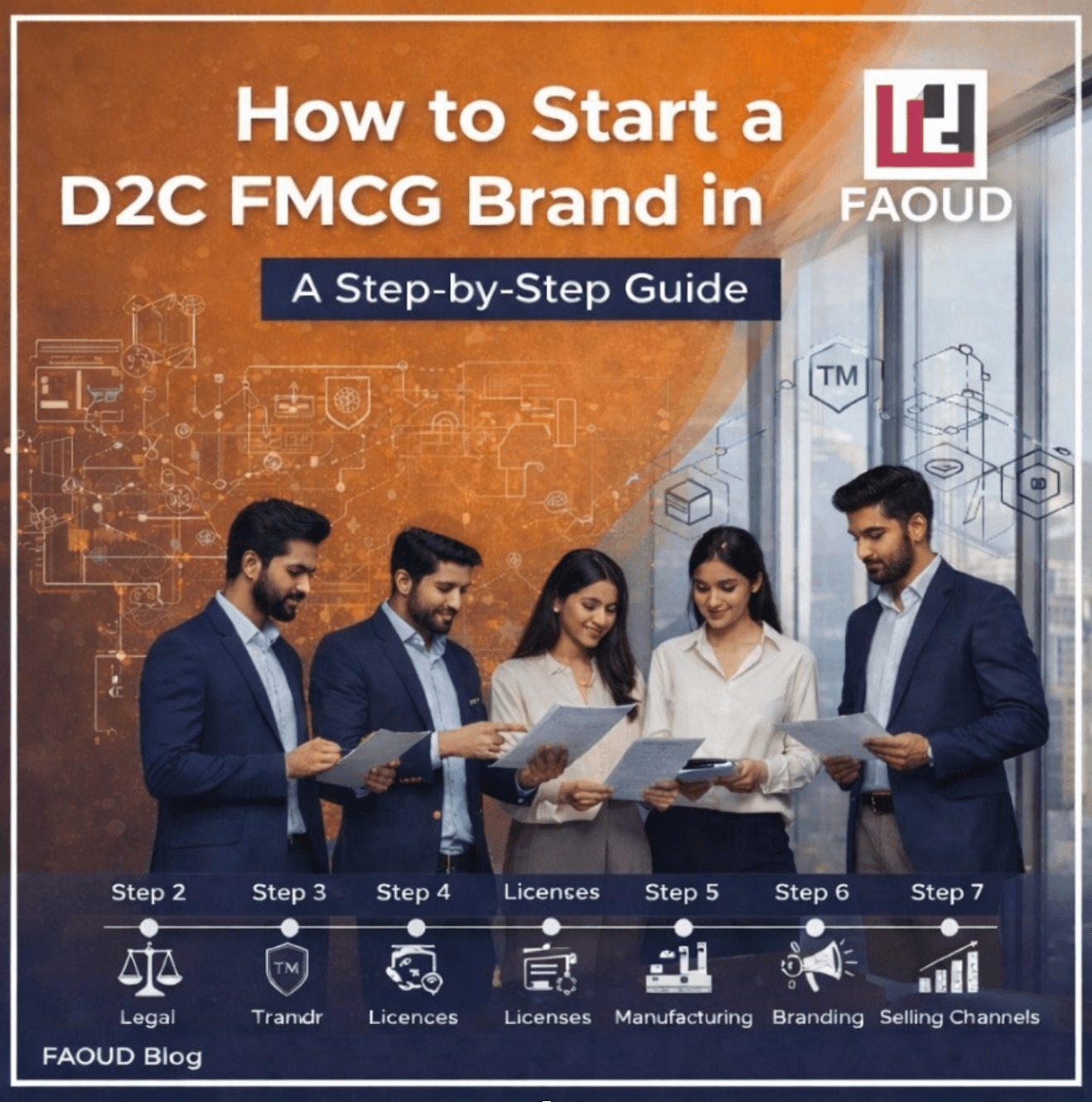
Starting a D2C brand in India has become meaningfully easier, but not simpler. Digital demand is strong, quick commerce is resetting consumer expectations, and manufacturing access is improving. The founders who win are usually the ones who set up the backend correctly before they rush into packaging, paid ads, or launch hype.
The real early advantage is operational clarity: register correctly, protect the brand name, understand the licenses, lock the manufacturing model, and choose the first sales channels with discipline.
In this guide
Choose the right company structure
Lock the brand name with a trademark
Map licenses to the product category
Build manufacturing before you build demand
Prepare distribution with channel clarity
Step-by-step
The first five moves that matter
Choose the right company structure
Register the business before you start building the brand. For most founders planning to scale, raise capital, or formalise operations, a Private Limited Company remains the strongest starting point. LLPs and sole proprietorships can work in limited cases, but they usually create constraints later.
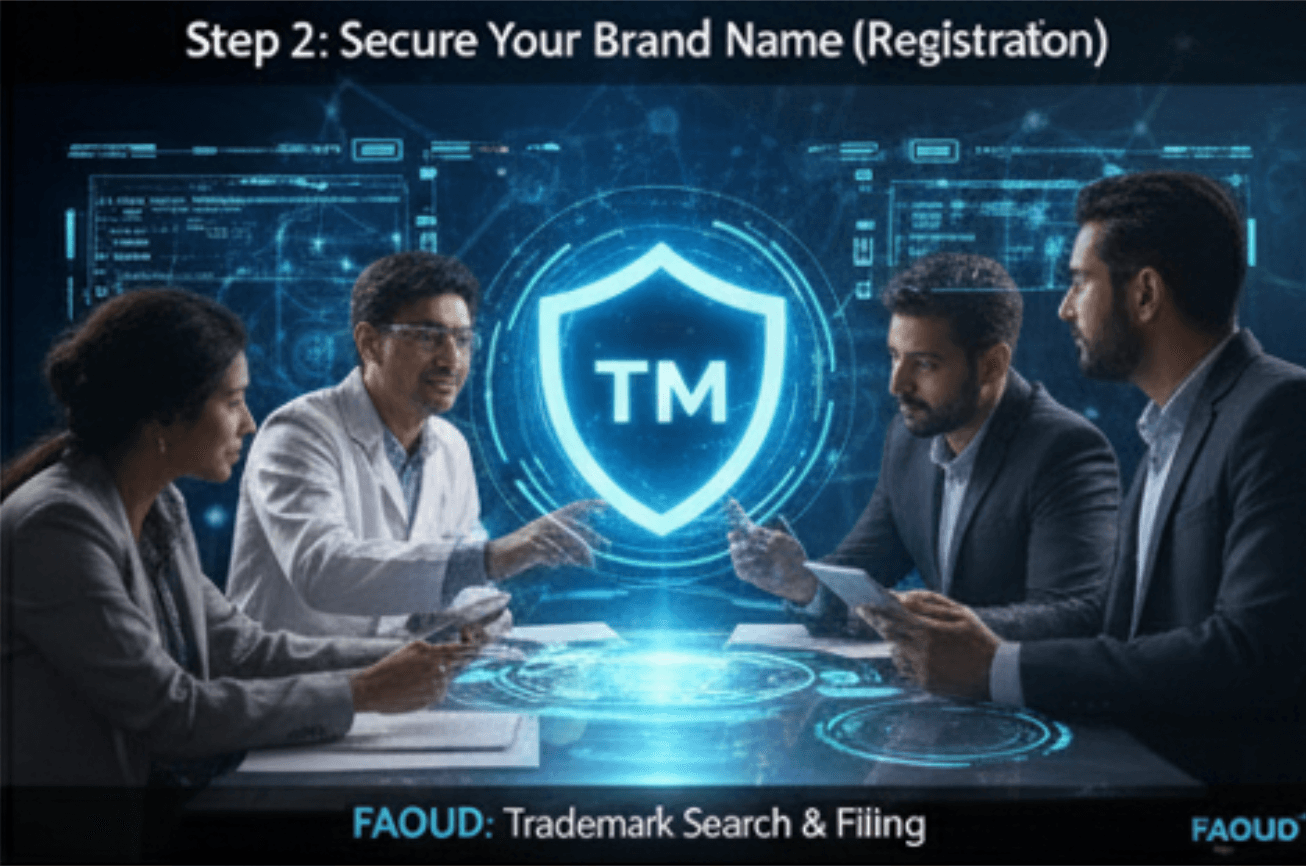
Lock the brand name with a trademark
Brand identity becomes an asset only when it is legally protected. Check name availability, file the trademark early, and cover the logo, wordmark, and relevant category classes before the market notices you.
Map licenses to the product category
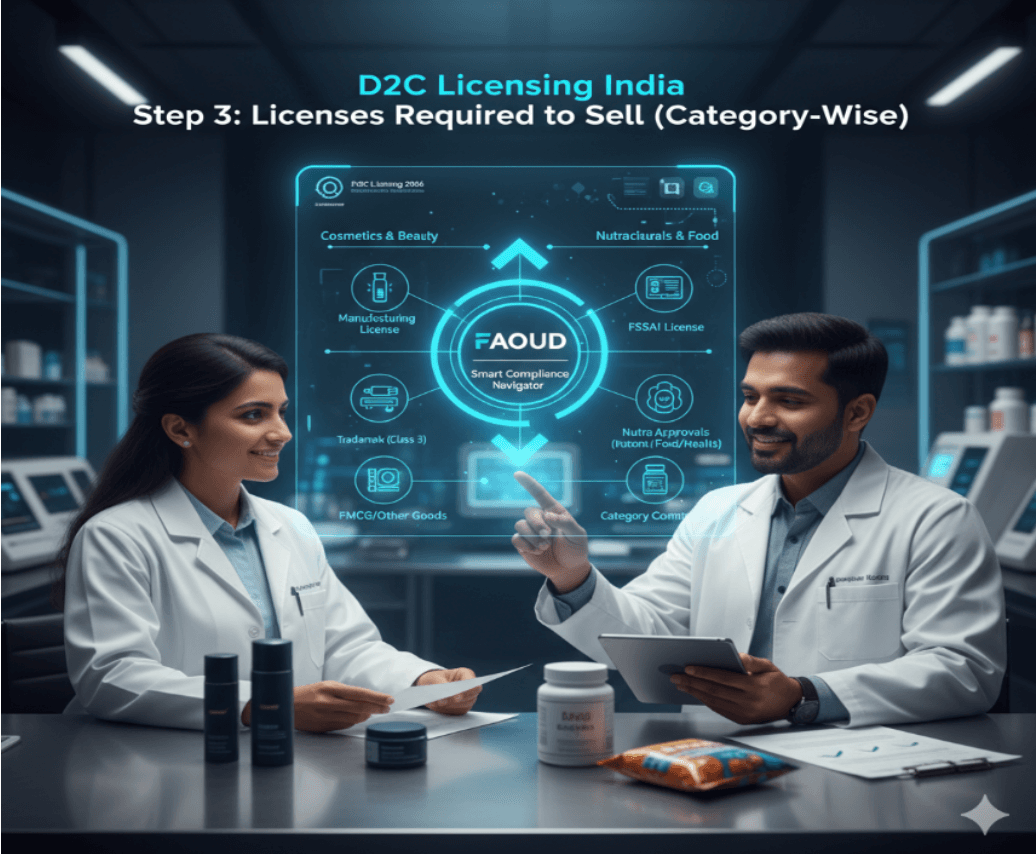
Licensing is category-specific. Cosmetics require cosmetic manufacturing and selling permissions, nutraceuticals need FSSAI-led compliance, and consumer goods often need GST plus category-specific approvals. Founders usually lose time here by either overpaying for unnecessary paperwork or missing critical compliance.
Build manufacturing before you build demand
A lot of D2C brands fail because the backend is unstable. Manufacturing quality, repeatability, compliance, and delivery reliability need to be solved before you scale media, marketplaces, or quick commerce. This is where structured factory access matters more than a generic vendor directory.
Prepare distribution with channel clarity
Your website is only one path. Modern D2C brands also evaluate marketplaces, quick commerce platforms such as Blinkit, Zepto, and Instamart, plus GT, MT, and institutional channels. Each channel has different unit economics, documentation needs, and growth logic, so prioritisation matters.
Category licenses
Compliance depends on what you sell
Cosmetics and beauty
Cosmetic manufacturing license, cosmetic selling license, and trademark coverage under the right class.
Nutraceuticals and food
FSSAI registration or licensing, nutraceutical approvals where applicable, and trademark protection for food or health-aligned classes.
FMCG and consumer goods
GST registration plus any category-specific compliance requirements based on formulation, packaging, and claims.
Sales channels
Where can a D2C brand sell first?
Early-stage brands should not assume the website is the only or even the first growth engine. Distribution should be chosen based on category fit, margin structure, logistics readiness, and the documents each platform demands.
How Faoud helps
From idea to execution
Faoud supports founders across company registration, trademark filing, licensing, manufacturing, factory sourcing, and supply chain coordination. The practical value is speed and fewer avoidable mistakes in the first six months.
The bigger point is simple: brand building becomes easier when the legal, compliance, and manufacturing layers are already stable.